

Automated Storage and Retrieval System Fire Protection - Why System Type Matters

Automated Storage and Retrieval Systems (ASRS) can improve warehouse capacity, speed, and labor efficiency—but they also introduce fire-protection questions that should be addressed before the equipment is fabricated or installed.
One of the most common misconceptions is that all ASRS systems can be reviewed the same way. In reality, a mini-load system, shuttle system, crane-based ASRS, single-deep rack system, and double-deep rack system can present very different storage and sprinkler conditions.
The ASRS Layout Affects the Fire Protection Strategy
The fire-protection approach for an ASRS is not based on equipment height alone. A proper review considers the full storage configuration, including:
• Commodity classification and packaging
• Presence of plastic totes, cartons, plastic film, or expanded plastics
• Storage height and ceiling height
• Rack depth and number of storage positions
• Open-frame versus solid shelf conditions
• Longitudinal and transverse flue spaces
• Existing ceiling sprinkler type, K-factor, pressure, and water supply
• Accessibility of the ASRS for employees and maintenance personnel
These details help determine whether the installation may be evaluated using ceiling-level sprinkler protection only, or whether in-rack sprinkler protection, often called in-rack or intermediate-level sprinklers—may be needed.
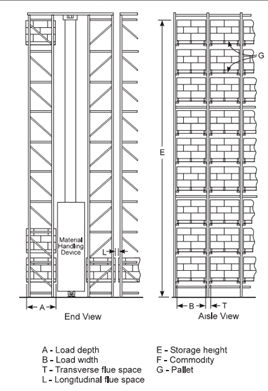
Figure 1 Typical rack storage terminology
Longitudinal and transverse flue spaces are important parts of the evaluation. As shown on Fig. 1, these open channels within and between storage arrays can affect sprinkler discharge and water penetration through the rack storage. Flue spaces must be reviewed together with the commodity, storage height, rack depth, shelf conditions, and ceiling sprinkler arrangement.
What Are In-Rack Sprinklers?
In-rack sprinklers, sometimes called intermediate-level sprinklers, are sprinkler heads installed within the rack structure at one or more elevations. They provide water directly inside the storage array, rather than relying only on sprinklers located at the ceiling.
Many ASRS layouts require an in-rack sprinkler evaluation because dense storage can limit the ability of ceiling sprinklers to reach a fire developing within the rack. In-rack sprinklers may be needed where the storage is deep, closely spaced, high, or obstructed by solid shelves, solid load supports, or dense tote and carton arrangements.
They can also be triggered by limited flue spaces, higher-hazard commodities, plastic storage containers, or an existing ceiling sprinkler system that is not designed for the proposed ASRS configuration.
When Can a Ceiling-Only Approach Be Considered?
In-rack sprinklers are not automatically required for every ASRS installation. A ceiling-only approach may be considered where the rack storage remains sufficiently open, adequate flue spaces are maintained, obstruction conditions are limited, and the ceiling sprinkler system is designed to protect the proposed commodity and storage arrangement.
The final answer depends on the applicable sprinkler criteria, commodity information, storage layout, available water supply, insurer requirements, and AHJ review. A system should not be assumed to be exempt from in-rack sprinklers simply because it is automated or restricted from routine employee access.
Plan Early to Avoid Redesign
An ASRS fire-protection review should be completed before the rack layout and sprinkler design are finalized. Early coordination can avoid costly changes to the equipment, fire sprinkler system, and permit package after installation has begun.
EFP helps warehouse owners, tenants, and automation providers evaluate ASRS fire-protection and life-safety requirements during the planning stage. Contact our office to discuss your proposed ASRS layout, storage commodities, and local permitting requirements before installation begins.
For any further inquiries regarding this topic, as well as for code consulting and fire engineering design support related to your project, please don’t hesitate to contact us via email at contact@engineeringfireprotection.com.

